All Plants & Decor
Visit us in-store for even more plant varieties
Sort by:
70 products
70 products


Zamioculcas Zamiifolia or loving known as the ZZ plant, has become popular because of these survival traits. It’s a slow-growing plant, bearing waxy, oval, dark green leaves on graceful stems that can reach two to three feet in height. It’s attractive in any room setting, but it tolerates a lot of less-than-perfect conditions. It does well in low-light areas, isn’t bothered by low humidity and can survive a forgetful owner’s sporadic watering habits.
To provide optimal growing conditions, plant ZZ in well-drained soil, place it where it gets a bit of natural light (it also grows well under fluorescent lights - think dark office spaces) and water it when the top couple of inches of soil dries out.


All photos are an indication of the plant species and size reference only. All plants will have slight variations in coloring and condition. Decorative pot not included. Plants will be shipped in sphagnum moss or perlite.
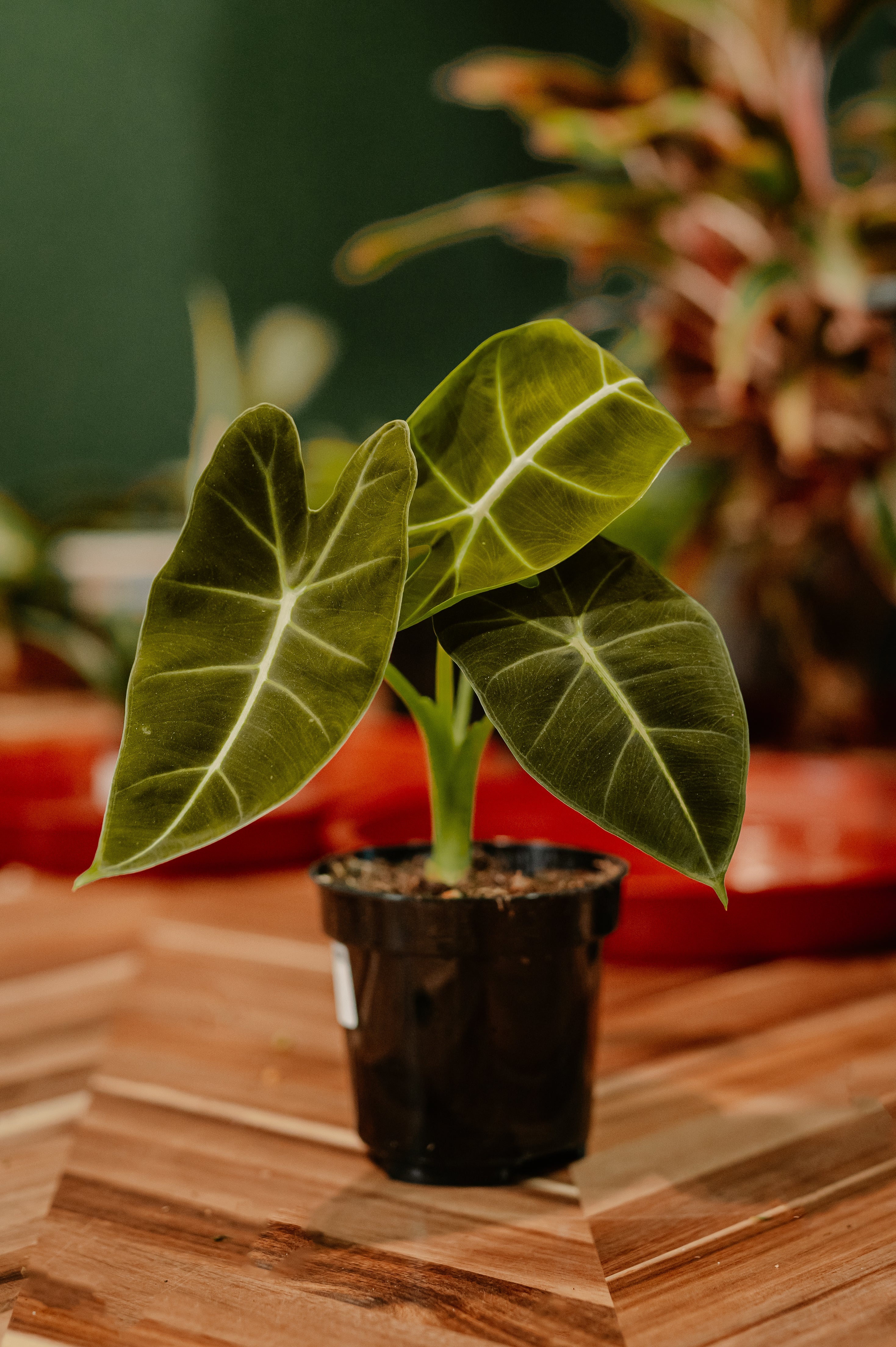
Alocasia amazonica, which is commonly known as Kris Plant, African Mask Plant, or Elephant’s Ear, is a houseplant that is known for its striking leaves. The leaves have a triangular shape and contain light-colored veins. Interestingly, the leaves also have a waxy cuticle which gives the leaves a shiny appearance.
Like many Alocasias, the Amazonica also slows down and slips into dormancy during the winter season, but be sure to slow watering and place in a warm environment to welcome them back in Spring.
Care
Light: Bright, indirect light is preferable, but more tolerant of lower light than many other aroids.
Water: Allow the top two inches of soil to dry before watering, do not let sit in excess water as they are quite prone to root rot.
Temperature/Humidity: Your Alocasia will not tolerate temperatures lower than 13 Celsius and dislikes both cold and hot drafts. A minimum of 40% humidity is suggested to prevent foliage issues, but your Alocasia will thrive best in 60% to 75% humidity. Alocasias get chilly quite easy, and ideally thrive between 18-22C.
Soil/Potting: These babies prefer to be root bound and repotting can be quite traumatic for them. We prefer to use a coarse, free draining soil and typically mix two parts each of perlite and orchid bark to one part potting soil. Feed monthly with a balanced fertilizer.
Care Tips: Humidity and a consistent watering schedule will keep this beauty's sensitive leaves from curling and browning. He is prone to sunburn when offered direct sun, experiment with your Alocasia's location to find a good balance . Prone to Fungus Gnats and Spider Mites.
*Alocasias are mildly toxic to pets and humans. Typically, ingestion will cause mouth and stomach irritation and possible vomiting. Do not ingest.*


Are you looking for a low-maintenance miniature Hoya vine? Let us introduce you to a perennial climber, the Hoya curtisii plant. It grows horizontally to form tight mats on the soil, turning into a cascading dangler later. The small and olive green succulent leaves are mottled with grey and have pointed apex. Moreover, this compact grower gets beautiful star-shaped flowers, growing in clusters to enhance the outlook of your thick-leaved vine.
Care
Light: Bright, indirect light is best for the optimal growth of the Hoya Curtsii plant. Choose an indoor position near a window that will provide plenty of indirect bright sunlight. The plant cannot tolerate direct sunlight combined with high heat, as it will scorch the flowers and leaves.
Water: The Hoya Curtsii is semi-succulent, so it can survive with minimal watering. You should maintain slight moisture in the potting soil, but thee plant can tolerate short dry periods because the semi-succulent vines are good at storing moisture. So even if you forget to water the plant once or twice, it still has some moisture stored to survive.
Temperature/Humidity: Prefers high humidity.
Soil/Potting: All Hoyas need to be potted in planters with drainage. These plants are very sensitive to too much water, so be sure to use a well draining soil with plenty of pumice and/or perlite. We suggest 1/3 peat, 1/3 perlite, and 1/3 orchid mix(bark, perlite, or charcoal). Good drainage and aeration are key! Hoyas don't mind being rootbound, it's said keeping your Hoya rootbound will accelerate blooming!
Care Tips: Prone to spider mites and mealy bugs dependent on environment and exposure. Never cut the long tendrils! Leaves and flower clusters develop from these.


The philodendron mayoi is native to Brazil and was only recently described(2000) by botanists. As with most philodendrons, the juvenile mayoi looks fairly plain, but as it matures it takes on a whole new look. The mature mayoi is actually what got me into the whole philodendron family. Did I mention that this philodendron is a rather fast grower if given the right environment!
These specimens have 4-6 mature leaves on a healthy rooted chonk.
Care
Light: Philodendrons do well in a range of light conditions. They prefer moderate to bright indirect light, but can tolerate shadier lighting conditions as well. Avoid direct sunlight, prone to sunburn.
Water: Water well and let soil dry out almost completely. Your plant will tell you when it is thirsty with dull or droopy leaves, yellowing leaves, or the soil starts to detach from the edge of the pot.
Temperature/Humidity: Average to warm household temperatures from 18-28°C and short periods down to 12°C at an absolute push. Avoid cold draughts. Comfortable in average household humidity but will thrive in higher humidity.
Soil: We suggest planting in a chunky well draining aroid mix consisting of our orchid mix, perlite, and pumice. You can also add in some worm castings and charcoal.
Care Tips: Most philodendrons are epiphytes and will thank you with big leaves if you provide them a moss pole to climb. Wipe leaves with a damp cloth to remove accumulated dust. Feed with Kelpy Plant Food or Plant Vitamins Thrive.
*Philodendrons are toxic to cats and dogs. Do not consume*
Philodendrons were part of NASA clean air study and found effective in improving indoor air quality by removing formaldehyde.
All photos are an indication of the plant species and size reference only. All plants will have slight variations in coloring and condition. Decorative pot not included. Plants will be shipped in sphagnum moss or perlite.


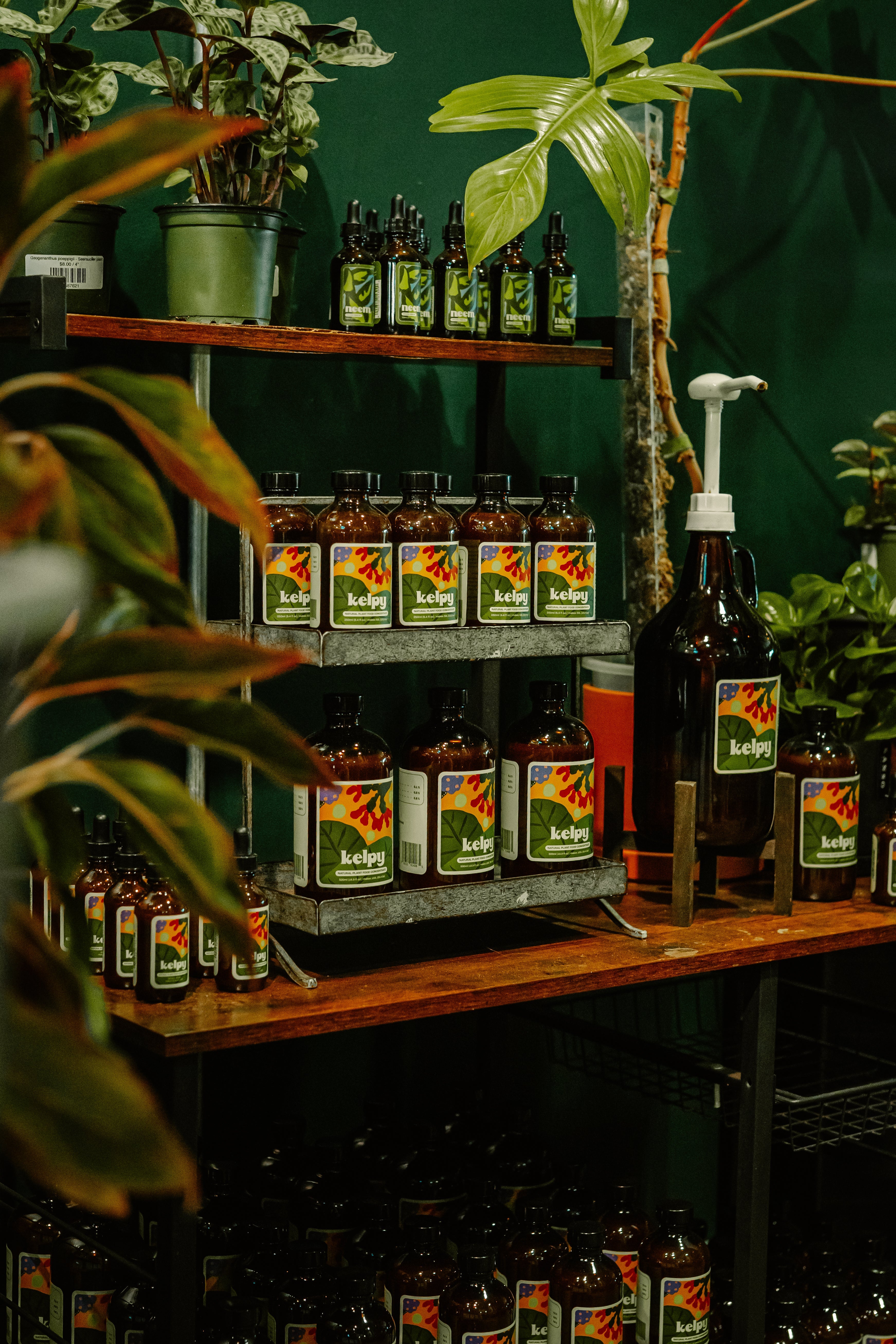
It's easy to use indoor plant food made form wild harvested Canadian kelp. It won't cause salt build up and can be used year-round for happy healthy plants.
Kelpy is food for plants that helps promote new growth, bigger leaves, more vibrant colours and builds resistance to pests. Making it the best plant food.
Our kelp is harvested from the frigid coastal waters of British Columbia where it grows more than 2 feet a day from the rich mineral glacial outflow that feeds it and is cold processed (never heated) to keep all of the 60 + vitamins and nutrients intact.

Recently Viewed