Sort by:
940 products
940 products
All photos are an indication of the plant species and size reference only. All plants will have slight variations in coloring and condition. Decorative pot not included. Plants will be shipped in sphagnum moss or perlite.
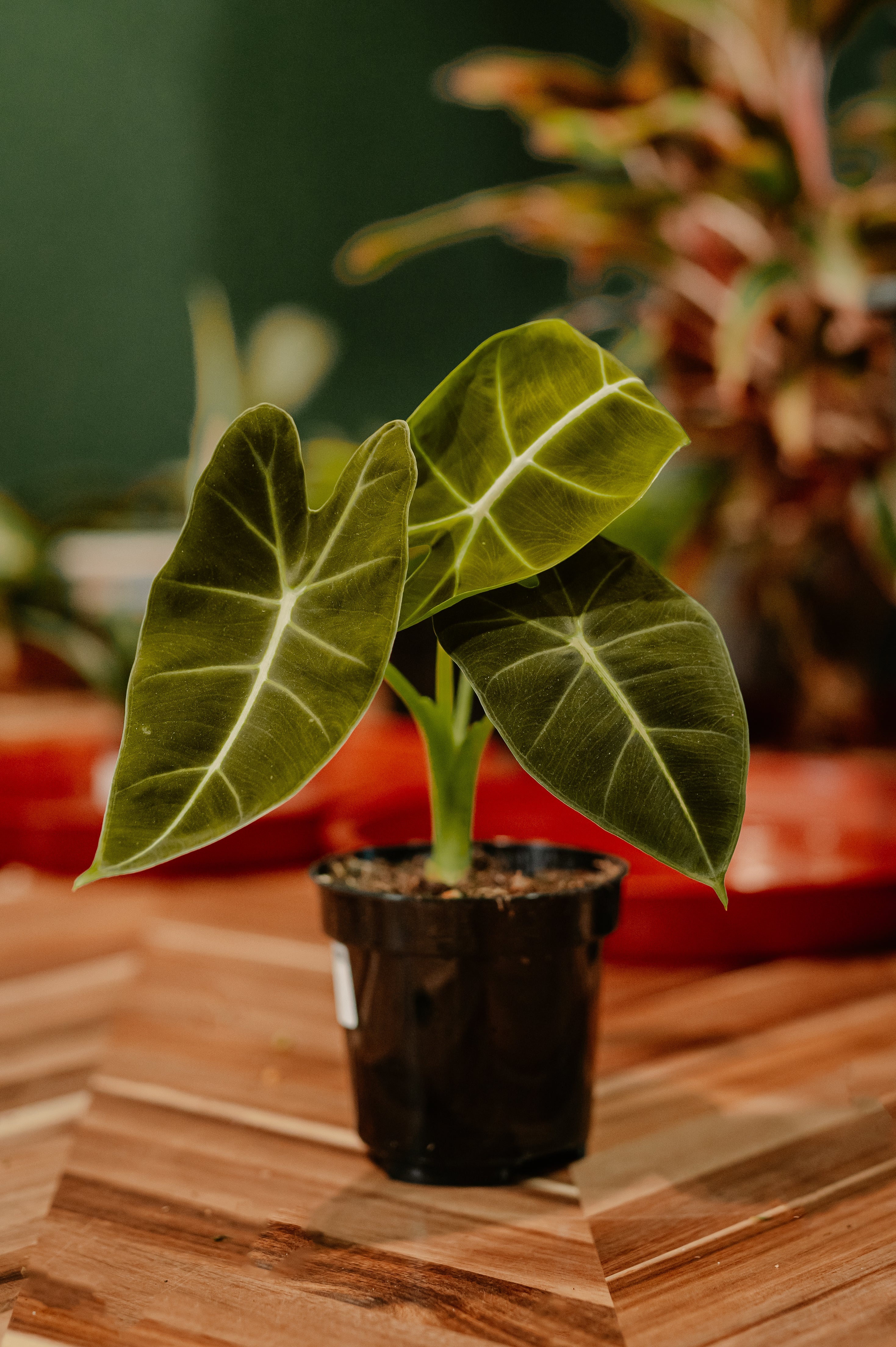
Alocasia amazonica, which is commonly known as Kris Plant, African Mask Plant, or Elephant’s Ear, is a houseplant that is known for its striking leaves. The leaves have a triangular shape and contain light-colored veins. Interestingly, the leaves also have a waxy cuticle which gives the leaves a shiny appearance.
Like many Alocasias, the Amazonica also slows down and slips into dormancy during the winter season, but be sure to slow watering and place in a warm environment to welcome them back in Spring.
Care
Light: Bright, indirect light is preferable, but more tolerant of lower light than many other aroids.
Water: Allow the top two inches of soil to dry before watering, do not let sit in excess water as they are quite prone to root rot.
Temperature/Humidity: Your Alocasia will not tolerate temperatures lower than 13 Celsius and dislikes both cold and hot drafts. A minimum of 40% humidity is suggested to prevent foliage issues, but your Alocasia will thrive best in 60% to 75% humidity. Alocasias get chilly quite easy, and ideally thrive between 18-22C.
Soil/Potting: These babies prefer to be root bound and repotting can be quite traumatic for them. We prefer to use a coarse, free draining soil and typically mix two parts each of perlite and orchid bark to one part potting soil. Feed monthly with a balanced fertilizer.
Care Tips: Humidity and a consistent watering schedule will keep this beauty's sensitive leaves from curling and browning. He is prone to sunburn when offered direct sun, experiment with your Alocasia's location to find a good balance . Prone to Fungus Gnats and Spider Mites.
*Alocasias are mildly toxic to pets and humans. Typically, ingestion will cause mouth and stomach irritation and possible vomiting. Do not ingest.*
Alocasia azlanii was named after plant collector Azlan Pandai of the Brunei National Herbarium, whose enthusiasm in searching out aroids in the field has brought about many rewarding finds. Their coloration is like no other plant. Azlanii leaves are a waxy, chococolate color with iridescent purple veining. During juvenile stages and with new leaves developing, the leaves are green with purple veins. Alocasia azlanii only recently entered cultivation and is known from only a single location in Sarawak on the island on Borneo.
Care
Light: Bright, indirect light is preferable. May loose it's green color or burn in direct light or too much light.
Water: Allow the top two inches of soil to dry before watering, do not let sit in excess water as they are quite prone to root rot. Your plant will let you know when it is thirsty. Watch for dull looking leaves, drooping stems, leaf curl, and a super lightweight pot.
Temperature/Humidity: Your Alocasia will not tolerate temperatures lower than 13 Celsius and dislikes both cold and hot drafts. A minimum of 40% humidity is suggested to prevent foliage issues but higher humidity will allow your plant to thrive. Your Alocasia may tolerate slightly lower humidity. You can group plants together to increase humidity or set your plant on a tray of pebbles with water. Try to avoid misting your plant especially when new leaf development is occurring, this will prevent leaf rot and other plant disease.
Soil/Potting: These plants prefer to be root bound and repotting can be quite traumatic for them. We prefer to use a chunky, free draining soil and typically mix two parts each of perlite and orchid bark to one part potting soil. Feed your alocasia bi weekly during growing season.
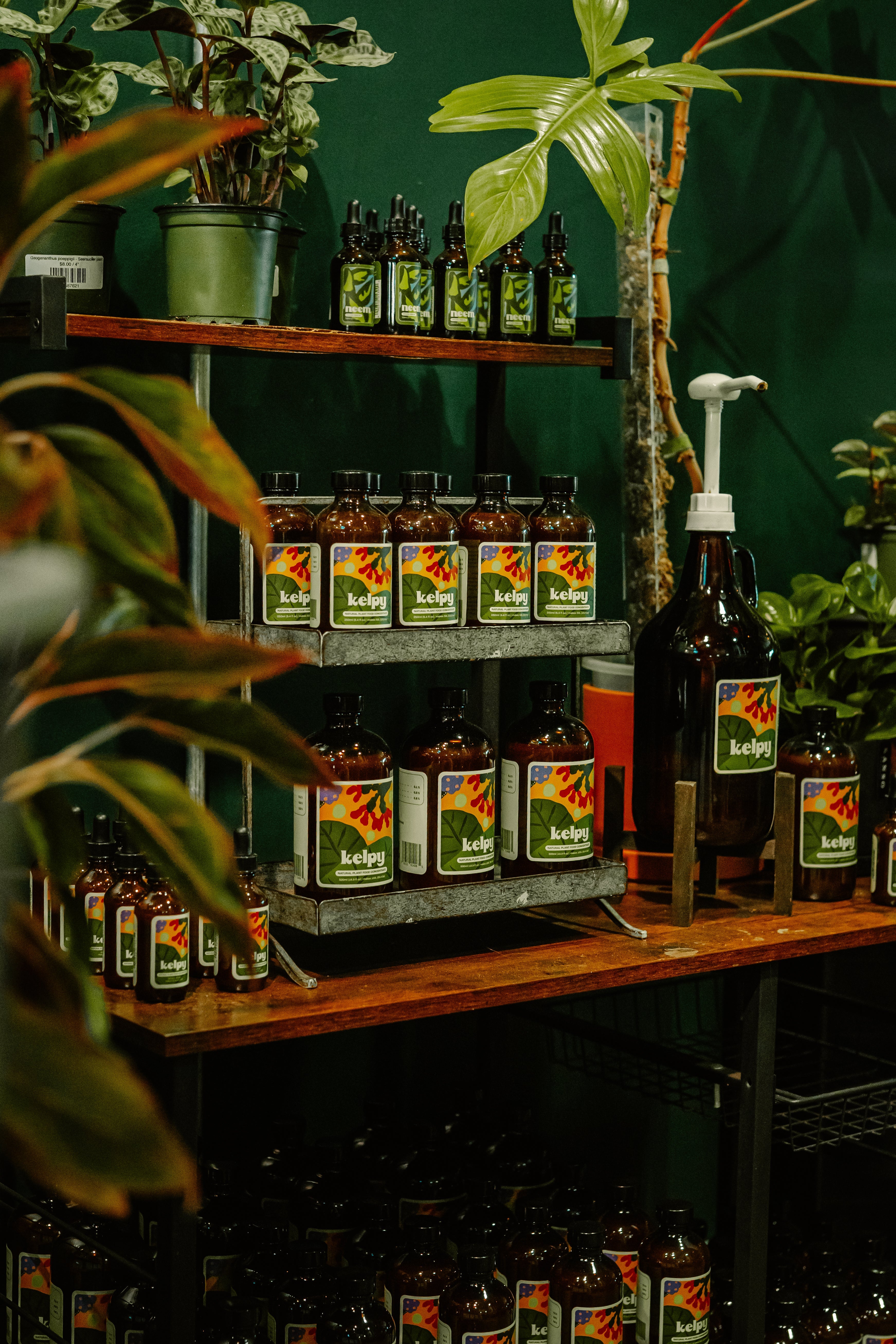
Care Tips: Try to imagine where your plant came from in the wild and try to replicate that environment in your home. Your Alocasia will thrive in a humid environment, and a chunky well draining soil mix. Experiment with different locations in your house to find the best location for your plant. Try feeding your Alocasia with Kelpy or Plant Vitamins.
*Alocasias are mildly toxic to pets and humans. Typically, ingestion will cause mouth and stomach irritation and possible vomiting. Do not ingest.*
*Please note that your Alocasia may loose a leaf or two once you receive it. Alocasia plants need time to acclimate to their new environment. If the humidity, light, and temperature is not up to 'their' standards they may only be able to produce or hold onto 2-3 leaves at a time.*
All photos are an indication of the plant species and size reference only. All plants will have slight variations in coloring and condition. Decorative pot not included. Plants will be shipped in sphagnum moss or perlite.
The Alocasia Silver Dragon is a hybrid variant of the Alocasia Bagdina and looks very similar to the original Bagdina but much more strikingly crystalline and silvery. The captivating texture resembles dragon scales, but some (including myself) feel the almost rhythmic movement of the crevices on the leaves somewhat resembles a brain. Just humour me, take a look long enough and I'm sure you'll get it. Either way, it's one of those plants you really can't stop looking at. Alocasia Silver Dragon is native to Eastern Borneo from the calcium-rich limestone regions – as tropical as it can get. This means you have to grow Silver Dragon in warm, moist, humid conditions for best results.
Care
Light: Bright, indirect light is preferable, but more tolerant of lower light than many other aroids.
Water: Allow the top two inches of soil to dry before watering, do not let sit in excess water as they are quite prone to root rot.
Temperature/Humidity: Your Alocasia will not tolerate temperatures lower than 13 Celsius and dislikes both cold and hot drafts. A minimum of 40% humidity is suggested to prevent foliage issues, but your Alocasia will thrive best in 60% to 75% humidity.
Soil/Potting: These babies prefer to be root bound and repotting can be quite traumatic for them. We prefer to use a coarse, free draining soil and typically mix two parts each of perlite and orchid bark to one part potting soil. Feed monthly with a balanced fertilizer.
Care Tips: Humidity and a consistent watering schedule will keep this beauty's sensitive leaves from curling and browning. He is prone to sunburn when offered direct sun, experiment with the Black Velvet's location to find a good balance . Prone to Fungus Gnats and Spider Mites.
*Alocasias are mildly toxic to pets and humans. Typically, ingestion will cause mouth and stomach irritation and possible vomiting. Do not ingest.*
The Alocasia Cuprea is an awe inspiring, entirely unique Jewel Alocasia that I could stare at for hours. The Cuprea, or "Mirror Plant" has a rich, everchanging colour pattern ranging from a deep burgundy to an almost black-green sheen, reminiscent of a raven. The colour depends on the maturity of the leaf and the way the light hits it, meaning the possibilities of the seemingly pigment-shifting plant are endless. The underside of the leaf is a glossy, violet based burgundy, while the leaves showcase the morphing tint range. This truly is the goth prince of the Alocasia family, and he only grows more interesting as he ages.
Care
Light: Your Cuprea needs bright, indirect light to grow and remain healthy. Too much direct light will result in yellowing and dropping of the leaves, while not enough sun will result in the green draining from the plant. Extended exposure to both too much, and too little sun will result in the eventual death of the plant.
Water: Allow the top two inches of soil to dry before watering, do not let sit in excess water as they are quite prone to root rot.
Temperature/Humidity: Your Alocasia will not tolerate temperatures lower than 13 Celsius and dislikes both cold and hot drafts. A minimum of 40% humidity is suggested to prevent foliage issues, but your Alocasia will thrive best in 60% to 75% humidity.
Soil/Potting: Alocasia prefer to be root bound and repotting can be quite traumatic for them. We prefer to use a coarse, free draining soil and typically mix two parts each of perlite and orchid bark to one part potting soil.
Care Tips: Try to imagine where your plant came from in the wild and try to replicate that environment in your home. Your Alocasia will thrive in a humid environment, and a chunky well draining soil mix. Experiment with different locations in your house to find the best location for your plant. Try feeding your Alocasia with Kelpy or Plant Vitamins.
*Alocasias are mildly toxic to pets and humans. Typically, ingestion will cause mouth and stomach irritation and possible vomiting. Do not ingest.*
*Please note that your Alocasia may loose a leaf or two once you receive it. Alocasia plants need time to acclimate to their new environment. If the humidity, light, and temperature is not up to 'their' standards they may only be able to produce or hold onto 2-3 leaves at a time.*
All photos are an indication of the plant species and size reference only. All plants will have slight variations in coloring and condition. Decorative pot not included. Plants will be shipped in sphagnum moss or perlite.
Showing 72/940