Sort by:
15 products
15 products
Philodendron Birkin is a stunning plant varieties that develops pure white pinstripes on its foliage, growing evermore variegated as the plant matures. Their unique variation shifts from leaf to leaf, and it’s not uncommon to notice occasional splashes of pink or light red on new leaves as they unfurl. They perform best in bright, indirect light and love a moisture-rich environment and well-hydrated soil in pot with proper drainage.
Care
Light: Philodendrons do well in a range of light conditions. They prefer moderate to bright indirect light, but can tolerate shadier lighting conditions as well. Avoid direct sunight.
Water: Keep the soil moist at all times. Allow the top of the soil to dry out slightly before re-watering. Will tolerate some degree of drought better than having its roots too wet.
Temperature/Humidity: Average to warm household temperatures from 18-28°C and short periods down to 12°C at an absolute push. Avoid cold draughts. Comfortable in average household humidity.
Soil/Repotting: Well draining, nutrient rich potting soil.
Care Tips: Wipe leaves with a damp cloth to remove accumulated dust. Please note, leaves can develop yellow patches after a change in temperature or environment. These can be removed at the base of the stem if required
*Philodendrons are toxic to cats and dogs. Do not consume*
Philodendrons were part of NASA clean air study and found effective in improving indoor air quality by removing formaldehyde.
Care
Light: Philodendrons do well in a range of light conditions. They prefer moderate to bright indirect light, but can tolerate shadier lighting conditions as well. Avoid direct sunlight, prone to sunburn. Since the cell mutation is unstable ( what we see as colour variations) by placing your ppp in bright indirect light for at least 8 hours and providing higher humidity 65%+, you may be able to increase some variegation. In shadier locations, your pink princess may need to produce more chlorophyl (the green stuff that photosythizes) so the variegation may be less.
Water: Water well and let soil dry out almost completely. Your plant will tell you when it is thirsty with dull or droopy leaves, yellowing leaves, or the soil starts to detach from the edge of the pot.
Temperature/Humidity: Average to warm household temperatures from 18-28°C and short periods down to 12°C at an absolute push. Avoid cold draughts. Comfortable in average household humidity but will thrive in higher humidity.
Soil: We suggest planting in a chunky well draining aroid mix consisting of our orchid mix, perlite, and pumice. You can also add in some worm castings and charcoal.
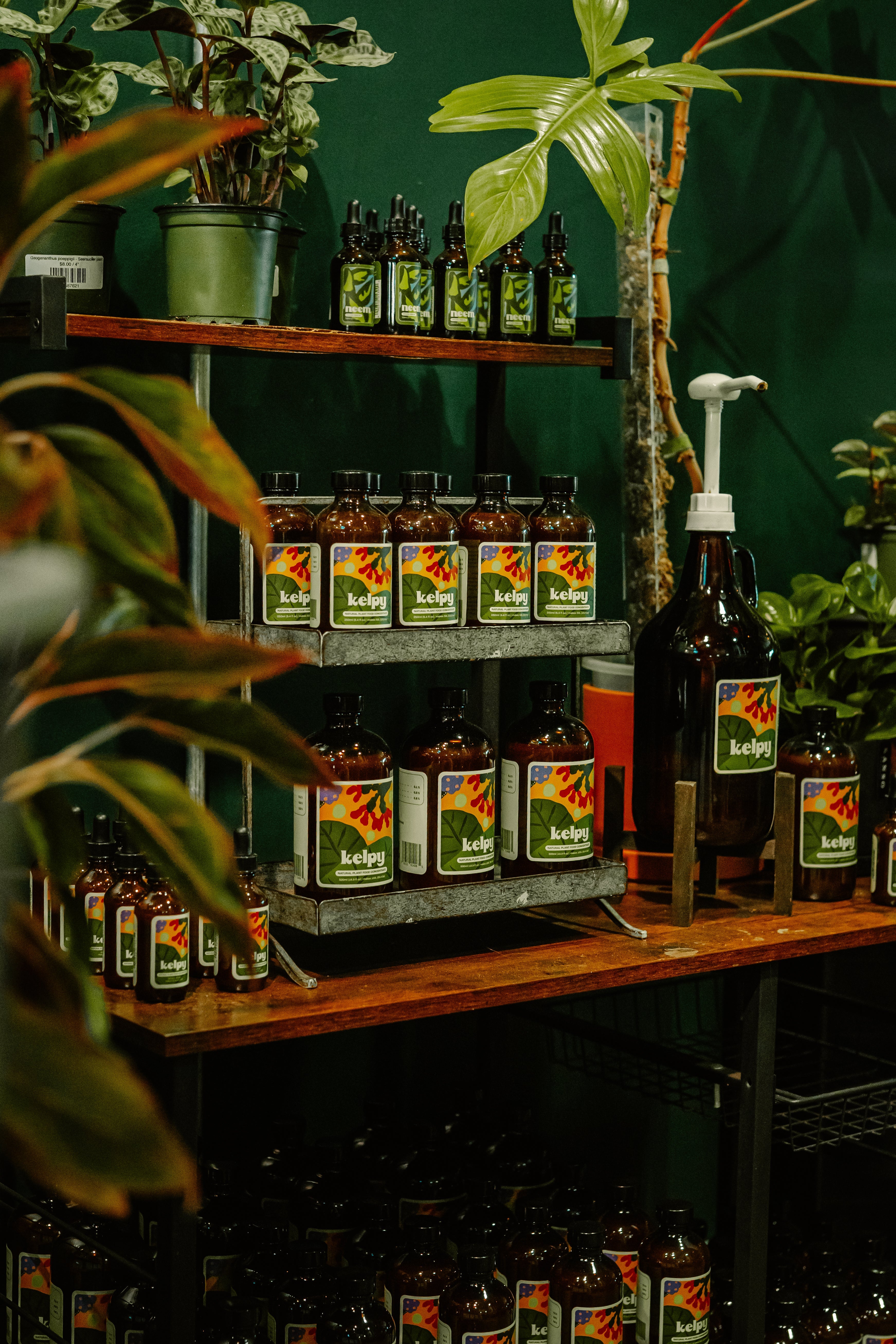
Care Tips: Most philodendrons are epiphytes and will thank you with big leaves if you provide them a moss pole to climb. Wipe leaves with a damp cloth to remove accumulated dust. Feed with Kelpy Plant Food or Plant Vitamins Thrive.
*Philodendrons are toxic to cats and dogs. Do not consume*
Philodendrons were part of NASA clean air study and found effective in improving indoor air quality by removing formaldehyde.
All photos are an indication of the plant species and size reference only. All plants will have slight variations in coloring and condition. Decorative pot not included. Plants will be shipped in sphagnum moss or perlite.
The Rojo Congo Philo is species of philodendrons, a very large genus of plants which has more than 500 species categorized under family araceae. This beauty is a cross between the beloved Imperial Red and Tatei.
Like many variants of the classic Philodendron houseplant, new growth appears as a striking accent, and the Rojo Congo sports a striking red stem with a burnt orange/green gradient on new growth as it hardens.
Care
Light: Philodendrons do well in a range of light conditions. They prefer moderate to bright indirect light, but can tolerate shadier lighting conditions as well. Avoid direct sunight.
Water: Keep the soil moist at all times. Allow the top of the soil to dry out slightly before re-watering. Will tolerate some degree of drought better than having its roots too wet.
Temperature/Humidity: Average to warm household temperatures from 18-28°C and short periods down to 12°C at an absolute push. Avoid cold draughts. Comfortable in average household humidity.
Care Tips: Wipe leaves with a damp cloth to remove accumulated dust. Please note, leaves can develop yellow patches after a change in temperature or environment. These can be removed at the base of the stem if required
*Philodendrons are toxic to cats and dogs. Do not consume*
Philodendrons were part of NASA clean air study and found effective in improving indoor air quality by removing formaldehyde.
The philodendron mayoi is native to Brazil and was only recently described(2000) by botanists. As with most philodendrons, the juvenile mayoi looks fairly plain, but as it matures it takes on a whole new look. The mature mayoi is actually what got me into the whole philodendron family. Did I mention that this philodendron is a rather fast grower if given the right environment!
These specimens have 4-6 mature leaves on a healthy rooted chonk.
Care
Light: Philodendrons do well in a range of light conditions. They prefer moderate to bright indirect light, but can tolerate shadier lighting conditions as well. Avoid direct sunlight, prone to sunburn.
Water: Water well and let soil dry out almost completely. Your plant will tell you when it is thirsty with dull or droopy leaves, yellowing leaves, or the soil starts to detach from the edge of the pot.
Temperature/Humidity: Average to warm household temperatures from 18-28°C and short periods down to 12°C at an absolute push. Avoid cold draughts. Comfortable in average household humidity but will thrive in higher humidity.
Soil: We suggest planting in a chunky well draining aroid mix consisting of our orchid mix, perlite, and pumice. You can also add in some worm castings and charcoal.
Care Tips: Most philodendrons are epiphytes and will thank you with big leaves if you provide them a moss pole to climb. Wipe leaves with a damp cloth to remove accumulated dust. Feed with Kelpy Plant Food or Plant Vitamins Thrive.
*Philodendrons are toxic to cats and dogs. Do not consume*
Philodendrons were part of NASA clean air study and found effective in improving indoor air quality by removing formaldehyde.
All photos are an indication of the plant species and size reference only. All plants will have slight variations in coloring and condition. Decorative pot not included. Plants will be shipped in sphagnum moss or perlite.